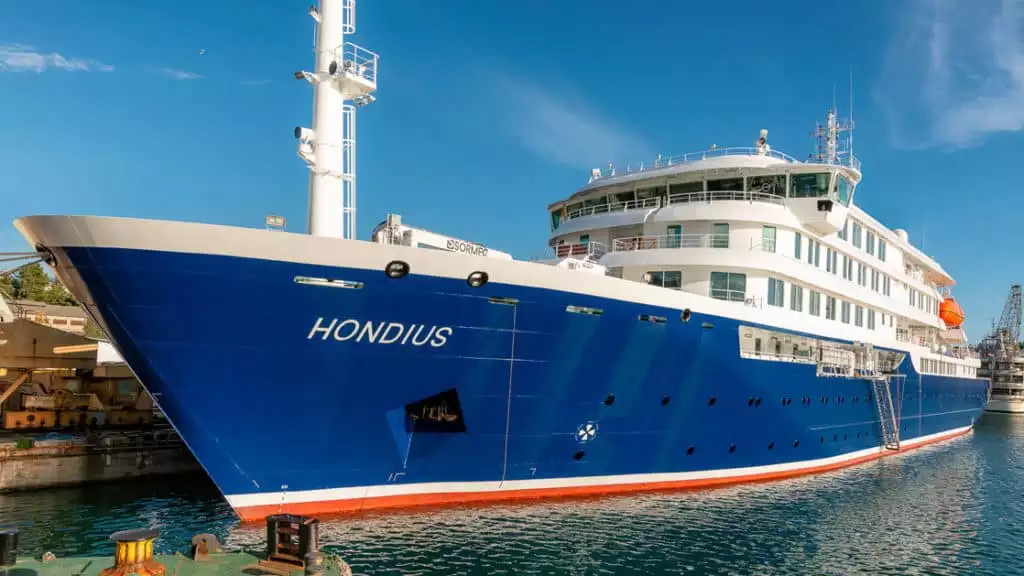





























The recent outbreak linked to the cruise ship MV Hondius has attracted attention around the world. Several passengers and crew members became sick and even passed during and after the voyage, leading health officials to investigate the cause of the illness.
Hantavirus is a rare disease that is usually spread through contact with infected rodents, such as mice and rats, or their droppings. Early symptoms often include fever, headaches, muscle aches, and fatigue. In severe cases, the virus can affect the lungs and make it difficult to breathe, which can be life threatening if not treated quickly.
The outbreak on the MV Hondius was unusual because Hantavirus is not normally transmitted person to person. Health officials worked to identify people who may have been exposed to the virus and provided medical care to those who became ill. Some passengers were monitored or treated even after returning home, while the cruise ship underwent cleaning and safety inspections.
This event shows how important it is for health organizations and governments to work together during disease outbreaks. Cruise ships often bring people together from many different countries, making it possible for illness to spread more quickly if precautions are not taken.
Although the outbreak caused concern, experts emphasize that Hantavirus infections are still very rare. The investigation has helped scientists learn more about the disease and how to prevent similar outbreaks in the future. By improving safety measures and monitoring public health closely, officials hope to reduce the risk of future outbreaks and keep travelers safe.