




















“Nike should be ashamed!” tends to be the general consensus after the ad they posted for the Boston Marathon.
The controversy surrounding the 2026 Boston Marathon and sportswear giant Nike highlights how a single marketing message can spark global debate about inclusivity in sports.
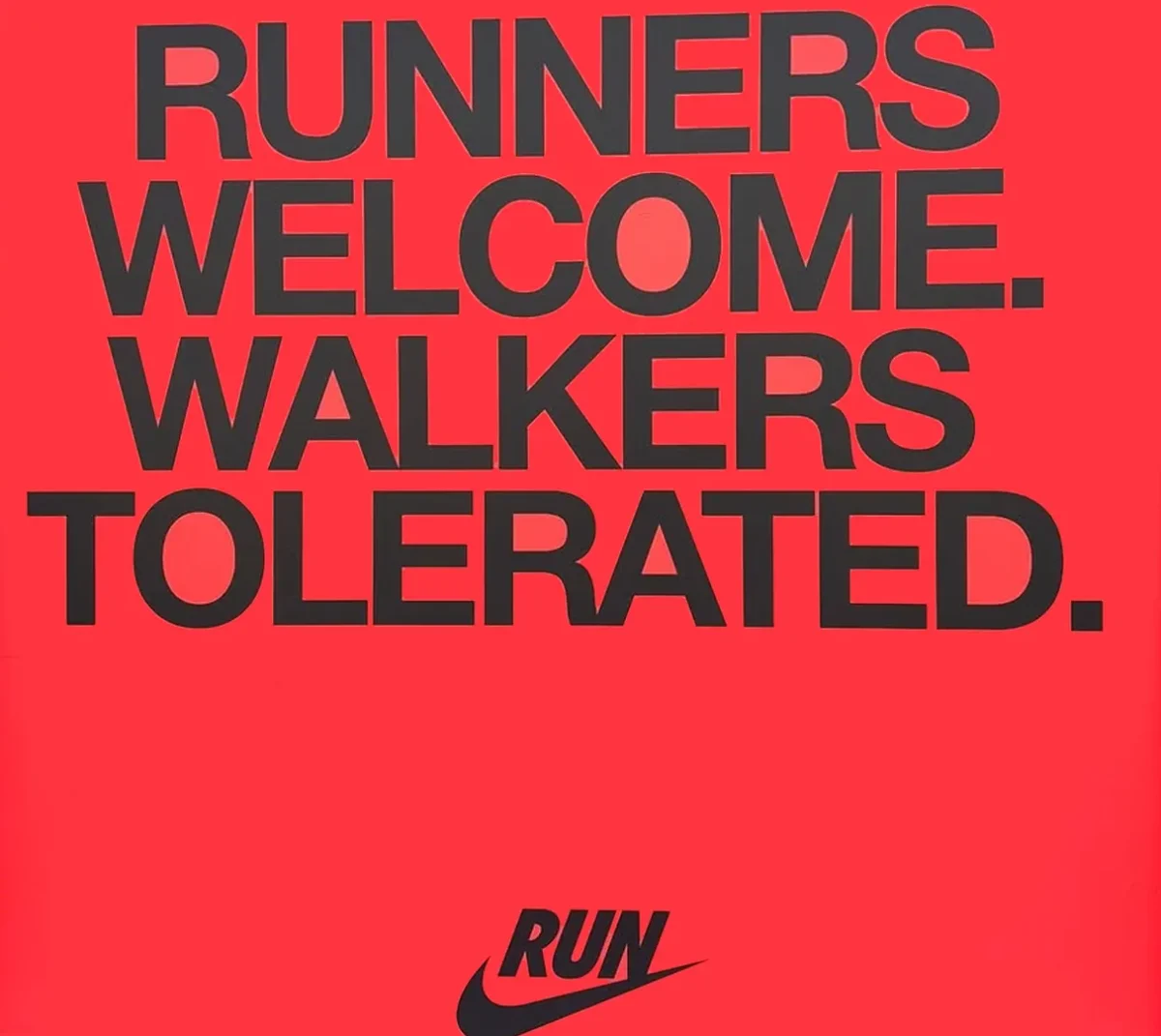
In the days leading up to the race, Nike displayed a large sign at its Newbury street store near the marathon’s finish line, reading “Runners welcome. Walkers tolerated.” The slogan was likely intended to be bold and motivational, appealing to the competitive spirit associated with one of the world’s most prestigious marathons. However, the message quickly drew backlash online and within the running community.
Critics argued that the phrase was dismissive and exclusionary, particularly toward slower runners, beginners, and athletes who rely on walking due to an injury or disability. Many pointed out that completing 26.2 miles, regardless of pace, is an achievement, and that the ad undermined the inclusive spirit that modern marathon culture strives to promote.
The reaction was swift. Social media users accused Nike of “Pace shaming,” and even experienced marathoners voiced disappointment. Facing the mounting backlash and criticism, Nike removed the sign before race day and issued a statement acknowledging the ad had “missed the mark.” It was replaced with a more inclusive message emphasizing that “movement is what matters.”
Ultimately, the incident illustrates the growing expectation that major brands promote inclusivity, especially in events that celebrate human endurance in all its forms.